 By
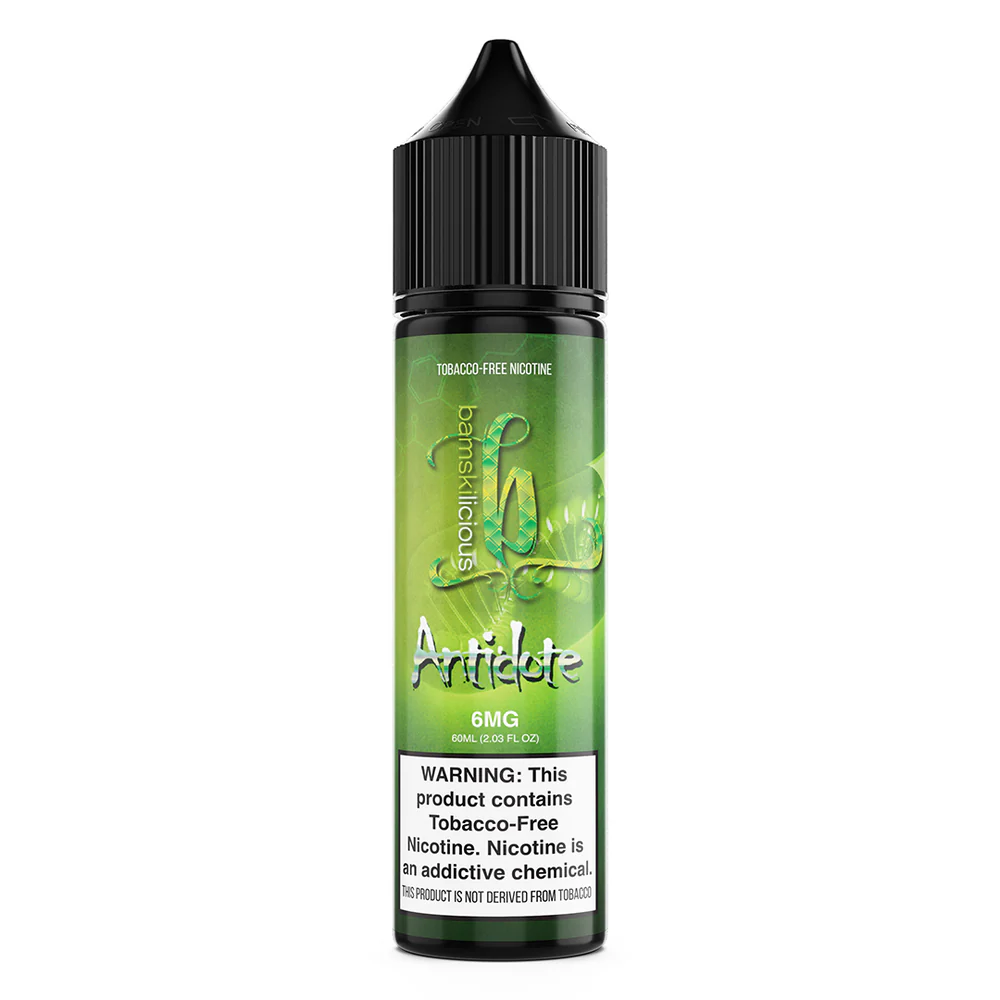
By Choosing the right Vape Juice involves understanding the different formulations available for modern vaping products. Vape juice, also called e-liquid, is generally made from a base of propylene glycol (PG), vegetable glycerin (VG), flavoring, and sometimes nicotine. Different combinations of these ingredients can influence characteristics such as vapor production, flavor intensity, and throat sensation. For vape brands, understanding these distinctions is important when developing products that meet specific market and product requirements.
Nicotine-Based Vape Juice
One major category of Vape Juice is nicotine-containing e-liquid. These products can be formulated with different nicotine concentrations, depending on applicable regulations and the intended product specifications. Traditional nicotine e-liquids commonly use freebase nicotine, while other formulations may use nicotine salts. Nicotine salt products are generally formulated differently from traditional freebase products and may provide a different user experience. Manufacturers must carefully control nicotine levels during production to support consistency between batches.
Nicotine-Free Vape Juice
Nicotine-free e-liquid contains the base ingredients and flavoring without added nicotine. This type can be developed for products intended to provide flavor and vapor without nicotine. For manufacturers, nicotine-free formulations can also provide flexibility when creating different product lines, flavors, and strengths. Proper formulation and quality-control procedures remain important to ensure that the finished product consistently matches its specifications.
High-VG Vape Juice
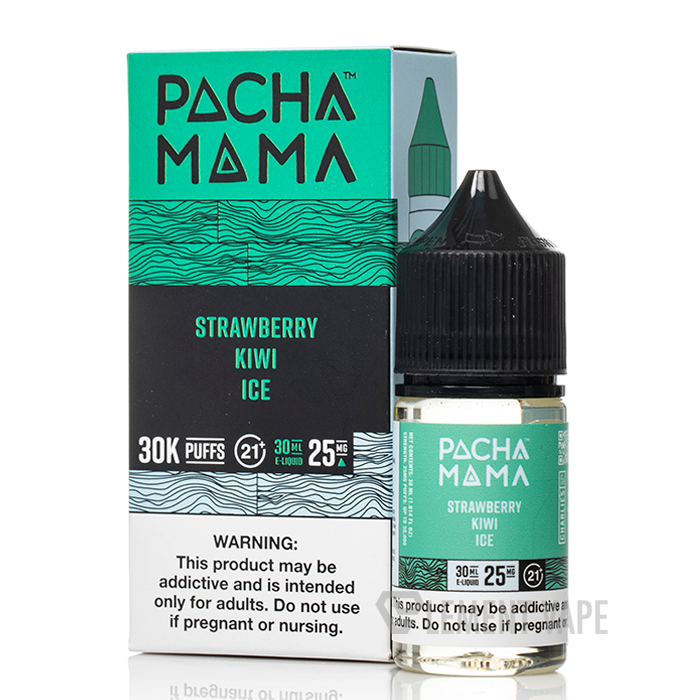
High-VG Vape Juice contains a greater proportion of vegetable glycerin compared with propylene glycol. VG is commonly associated with denser vapor production and a smoother sensation. These formulations may be considered when a product is designed around substantial vapor output. The balance of ingredients also affects viscosity, so manufacturers need to consider compatibility with the intended hardware and packaging when developing a high-VG formulation.
High-PG Vape Juice
High-PG e-liquids contain a greater proportion of propylene glycol. PG is valued for its ability to carry flavor and provide a more noticeable throat sensation. These characteristics make high-PG formulations another option for brands developing specific product experiences. Consistent ingredient measurement and controlled manufacturing processes help ensure that the desired PG-to-VG ratio remains uniform throughout production.
Balanced PG/VG Formulations
Balanced formulations combine PG and VG in specific proportions to create a middle ground between flavor delivery, throat sensation, and vapor production. The exact ratio can be adjusted according to the product concept and intended application. This flexibility allows manufacturers to create multiple formulations while maintaining consistent production standards across a broader product range.
Flavored Vape Juice
Flavor is another major way to categorize Vape Juice. Manufacturers can develop e-liquids featuring fruit, dessert, beverage, mint, menthol, tobacco-inspired, and other flavor profiles. A large flavor selection gives brands opportunities to develop distinctive product collections. At the manufacturing level, flavor ingredients need to be accurately measured and blended to achieve repeatable results from one production batch to another.
Custom Vape Juice Formulations
Some vape brands require formulations developed around their specific product goals. Custom manufacturing can involve selecting ingredients, adjusting flavor profiles, establishing nicotine strengths, and determining suitable PG/VG ratios. Working with an experienced manufacturer can help brands move from an initial concept toward a scalable production formula while maintaining attention to quality and compliance requirements.
Manufacturing Consistency Matters
Regardless of the type selected, consistency is an important consideration when producing Vape Juice at commercial scale. Nova Mfg provides end-to-end e-liquid manufacturing solutions designed around quality, compliance, scalability, and repeatable production. With extensive flavor options and multiple formulation possibilities, the company supports brands developing and manufacturing e-liquid products in California.
Conclusion
The different types of Vape Juice can be distinguished by nicotine content, PG/VG ratios, flavor profiles, and customized formulation requirements. From nicotine-free and high-VG products to balanced and custom-developed e-liquids, each formulation serves different product objectives. For brands entering or expanding within the vape market, selecting suitable ingredients and maintaining reliable manufacturing processes can help create consistent products that align with their specifications and applicable requirements.