 By
By Every drilling program hits the same stretch eventually – equipment needs servicing, bits get pulled, worn components come off and new ones go on. It’s routine, nobody thinks twice about it. But that routine also leaves behind a growing stack of retired carbide, and most crews handle it the same way every time: toss it in a corner of the yard, tell yourself you’ll sort it later, then haul it off months down the line with whatever else needs clearing.
Here’s the thing about “later.” It rarely happens on schedule, and in the meantime, real money sits there rusting under a tarp. Drilling and completion work burns through carbide faster than almost any other industry, and because that material holds recoverable value, ignoring it isn’t a neutral choice – it’s a cost, even if nobody’s writing it down.
Downtime Piles Up Faster Than Anyone Tracks
Maintenance windows, bit trips, equipment overhauls – they don’t produce a slow, steady trickle of scrap. They come in bursts. Pull one bit and you might get a handful of worn cutting elements. Now picture that happening across a fleet running several rigs at once, week after week. Most operations don’t track that pile the way they’d track fuel spend or consumables, so it just grows, quietly, until someone finally notices the yard’s getting crowded.
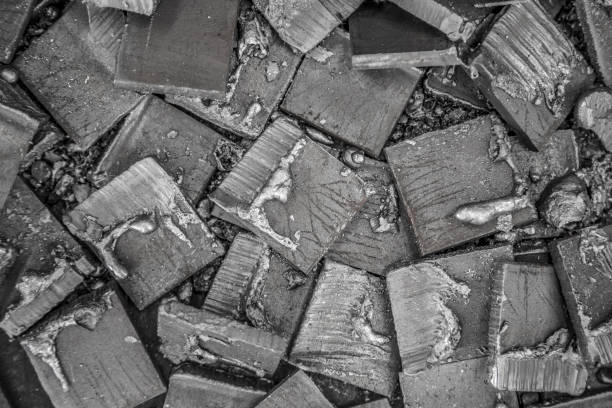
That carbide sitting next to the steel offcuts and pipe scrap is often worth more than everything around it combined. Tungsten and cobalt don’t stop being valuable just because a tool wore out. Treat it the same as ordinary metal scrap, though, and it gets sold – if it even gets sold – for pennies compared to what it’s actually worth.
Why Downhole Carbide Grades Higher
Drilling tools take more punishment than a typical shop insert ever will, so manufacturers build them with more cobalt in the mix to survive impact and abrasion downhole. More cobalt, generally speaking, means a better price per pound – but only if whoever’s buying it actually bothers to test for that. A yard running one flat rate across every kind of scrap that rolls through the gate has no way to tell a low-grade steel offcut from a high-cobalt bit insert. They just weigh it and pay the same either way.
That’s exactly why keeping oilfield carbide scrap separated from general ferrous waste right at the source matters so much. Once it’s tangled up with pipe fittings and old casing, someone has to pick through it piece by piece before it can even be graded – and that extra hassle almost always shows up as a lower offer for the seller.

A Habit, Not a Project
None of this calls for a big operational overhaul. Mostly it’s designating one bin, one pallet, whatever works at a given site, strictly for worn carbide – bit inserts, PDC supports, stabilizer parts, mud motor components – instead of letting it drift into the general debris pile. Small habit, but it changes how that material gets graded once it reaches a buyer.
For outfits running more than one active site, it’s usually smarter to consolidate before selling rather than trickling out small batches from each location separately. Bigger, cleanly sorted lots tend to pull stronger offers than a handful of scattered, mixed-up loads.
Finding Someone Who Actually Knows the Material
Most general recyclers just aren’t set up to test drilling-grade carbide properly – it’s a niche within a niche, and they’d rather not bother. So operators looking to sell oilfield carbide usually come out ahead going straight to a buyer who specializes in it, rather than a yard that lumps it in with everything else. Specialized buyers also tend to be better equipped for the logistics side, which matters a lot when a site sits an hour or more from the nearest scrap facility.
A Partner Built for Drilling and Completion Work
Carbide Kings works directly with drilling and completion companies, grading downhole carbide honestly, paying competitively, moving fast on payment, and handling pickup logistics across multiple sites instead of expecting operators to haul everything to one drop-off point themselves.
Frequently Asked Questions
Q1: Is worn drilling carbide actually worth anything once it’s pulled off a rig?
Yes. The cutting edge might be shot, but the tungsten and cobalt inside it didn’t go anywhere – that’s what a buyer’s paying for, not the sharpness.
Q2: Why does drilling carbide usually run higher in cobalt than regular shop tooling?
Downhole components take a beating from impact and abrasion, so manufacturers lean on more cobalt to keep them from cracking apart. That extra cobalt also pushes scrap value up.
Q3: Does it hurt the value if carbide ends up mixed in with other rig site scrap?
Usually, yes. Once it’s tangled up with pipe and casing offcuts, someone has to sort it by hand before it can be graded right, which tends to cost the seller in the final number.
Q4: Do you need a huge amount of material before it’s worth selling?
Not really. Buyers who focus on this material work with all kinds of volumes – a single bin from one site or a consolidated load pulled from several rigs at once.
Q5: Is there paperwork needed to sell carbide from a drilling site?
Not usually anything complicated. Most buyers just need a rough description of the material and where it came from – a simple bill of sale covers the transaction.