By
By Bamboo has become a favorite material for homeowners, designers, and DIY enthusiasts because of its natural beauty, sustainability, and durability. Whether used for flooring, furniture, fences, or decorative pieces, bamboo brings warmth and elegance to any space. However, like any natural material, bamboo can benefit from proper finishing to enhance its appearance and extend its lifespan.
One of the most effective ways to achieve this is by using bamboo stain. A quality stain can enrich bamboo’s natural grain, add depth to its color, and provide an extra layer of protection against daily wear. If you’re looking to refresh old bamboo furniture or customize the appearance of a new project, understanding how staining works is essential.
Why Bamboo Stain Is Important for Long-Term Protection
Many people assume that bamboo does not require finishing because of its natural strength. While bamboo is highly durable, exposure to sunlight, moisture, and everyday use can gradually affect its appearance.
Applying a stain offers several benefits:
Enhances the natural grain and texture of bamboo while adding a customized color tone.
A properly stained bamboo surface can resist fading, reduce the visibility of minor scratches, and maintain its attractive appearance for years. Whether you prefer a light honey finish or a deeper walnut-inspired tone, staining allows you to personalize bamboo while preserving its character.
Example: Indoor Bamboo Furniture
Imagine a bamboo coffee table placed in a bright living room. Over time, direct sunlight may cause uneven fading. Applying a stain with UV-resistant properties helps maintain a consistent appearance while highlighting the table’s natural texture.
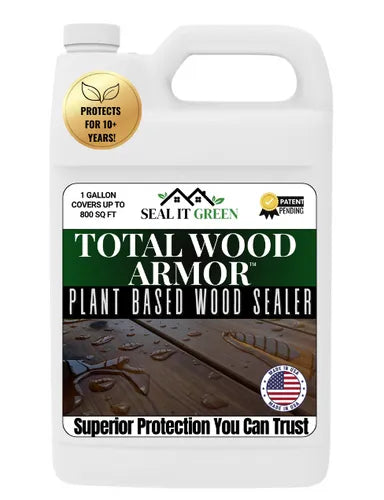
Choosing the Right Bamboo Wood Stain for Your Project
Selecting the ideal bamboo wood stain depends on the intended use of the bamboo and the look you want to achieve. Not all stains perform the same way, and bamboo’s dense structure can absorb products differently than traditional hardwood.
When choosing a stain, consider the following factors:
Color Preference
Lighter stains maintain bamboo’s natural appearance and airy feel. Darker stains create a richer, more sophisticated look that works well in modern and traditional interiors alike.
Interior vs. Exterior Use
Outdoor bamboo structures require stains designed to withstand moisture, temperature changes, and UV exposure. Interior bamboo furniture can use decorative stains focused more on aesthetics.
Water-Based or Oil-Based
Water-based stains generally dry faster and produce fewer odors. Oil-based options often penetrate deeper and can provide richer color results.
Example: Bamboo Flooring
For bamboo flooring in high-traffic areas, a durable stain paired with a protective topcoat can help maintain both beauty and performance. This combination reduces wear patterns and makes routine maintenance easier.
How to Apply Bamboo Stain Successfully
Proper preparation is the key to achieving professional-looking results. Even the highest-quality stain cannot perform well if the surface is not prepared correctly.
Step 1: Clean the Surface
Remove dust, dirt, grease, or previous finishes. A clean surface allows the stain to penetrate evenly.
Step 2: Lightly Sand the Bamboo
Use fine-grit sandpaper to smooth the surface and open the bamboo fibers slightly. Avoid aggressive sanding, as bamboo can be more sensitive than traditional hardwood.
Step 3: Test the Stain First
Always test the stain on a hidden section. Bamboo can react differently depending on its age, density, and manufacturing process.
Step 4: Apply Even Coats
Use a brush, cloth, or foam applicator to spread the stain evenly. Work in manageable sections to avoid overlap marks.
Step 5: Allow Proper Drying Time
Follow the manufacturer’s recommendations for drying and curing. Rushing this stage can lead to uneven coloration or reduced durability.
Common Mistakes to Avoid When Using Bamboo Wood Stain
Even experienced DIYers occasionally make mistakes that affect the final appearance of a project.
One common error is applying too much stain at once. Excess stain can create blotchy areas and uneven coloring. Another mistake is skipping the testing phase, which may result in a color that looks significantly different than expected.
Additionally, many people forget that bamboo absorbs stain differently than oak, maple, or pine. Taking time to understand the material helps produce more predictable and attractive results.
Example: Outdoor Bamboo Fence
A homeowner applies a dark stain directly to an unsanded bamboo fence. The result appears patchy because some areas absorb more product than others. Proper preparation would have created a much more uniform finish.
Pro Tip: Combine Stain with a Protective Finish
A stain improves color and appearance, but a clear protective topcoat helps maximize longevity. For outdoor bamboo applications, consider a UV-resistant sealant after staining. For indoor furniture, a quality polyurethane or protective finish can reduce scratches and simplify cleaning.
This extra step not only protects your investment but also preserves the beauty of the stain itself.
The Lasting Value of Well-Stained Bamboo
Bamboo offers a unique combination of sustainability, strength, and visual appeal. With the right staining approach, you can enhance its natural characteristics while protecting it from everyday wear. Whether you’re updating furniture, refreshing flooring, or finishing a decorative project, choosing the right stain can dramatically improve both appearance and durability.
By selecting the appropriate product, preparing the surface carefully, and following proven application techniques, you’ll enjoy beautiful bamboo surfaces that remain attractive for years to come.
Conclusion
Using bamboo stain is one of the simplest ways to elevate the look and lifespan of bamboo surfaces. From furniture and flooring to outdoor structures, staining helps showcase bamboo’s natural beauty while providing valuable protection. By selecting the right bamboo wood stain, preparing the material correctly, and applying it with care, you can achieve professional-quality results that stand the test of time. A little effort today can keep your bamboo projects looking stunning for many years ahead.