 By
Say a plant manager down the road recoats the production floor in spring. By the next winter, patches are peeling near the loading dock, and everybody blames the resin. Then somebody pulls up a piece and finds the concrete underneath was barely touched. It happens more than people admit. A trusted epoxy flooring contractor spends a lot of time on the part you never see.
HPS Floors says every installation begins with precision shot blasting or diamond grinding. That’s the opening move, not an afterthought. When you’re comparing companies, how they talk about prep tells you more than any glossy finished photo ever will. So let’s walk through what that prep actually involves.
Why Prep Beats Product
Epoxy doesn’t glue itself to dirty, smooth or weak concrete very well. It needs something to grab onto. That’s why the surface work comes before anything gets mixed. If a company jumps straight to colors and finishes in the first call, it may be skipping the hard part.
Ask what they plan to do with the slab you have now. Old coatings, oil stains and soft spots all change the plan. A crew that asks about those details is paying attention. A crew that quotes without looking at the floor is guessing, and guesses get expensive once the coating fails.
What Diamond Grinding Does
Diamond grinding wears down the top of the concrete so a fresh, open surface is ready for the coating. HPS Floors lists precision grinding as the first step in its turnkey process, which runs all the way to the final topcoat. Having one crew handle every stage keeps responsibility clear from start to finish.
CSP in Plain Language
CSP stands for Concrete Surface Profile. Think of it as how rough the concrete is after prep, measured so the coating gets a proper grip. HPS Floors aims for the exact CSP needed for a permanent mechanical bond. Different coatings want different textures, so the target changes from job to job.
You don’t need to memorize the numbers. Just ask which profile they’re aiming for on your floor. If the answer comes quickly and calmly, good sign. If you get a vague shrug, that’s worth a second look before you sign anything.
When Shot Blasting Makes Sense
Shot blasting is the other prep method HPS Floors uses, alongside diamond grinding. Which one fits depends on the floor and the coating going on top. A contractor who can explain why they picked one over the other is thinking about your building, not running a script.
Moisture Testing Matters Too
Concrete can hold moisture you can’t see. HPS Floors does moisture testing before applying epoxy, which is one reason its industrial coatings are said to outlast cheaper, poorly prepped alternatives. Skipping this step can lead to bubbling later, so a epoxy flooring contractors worth hiring checks first and coats second.
After the Prep Is Done
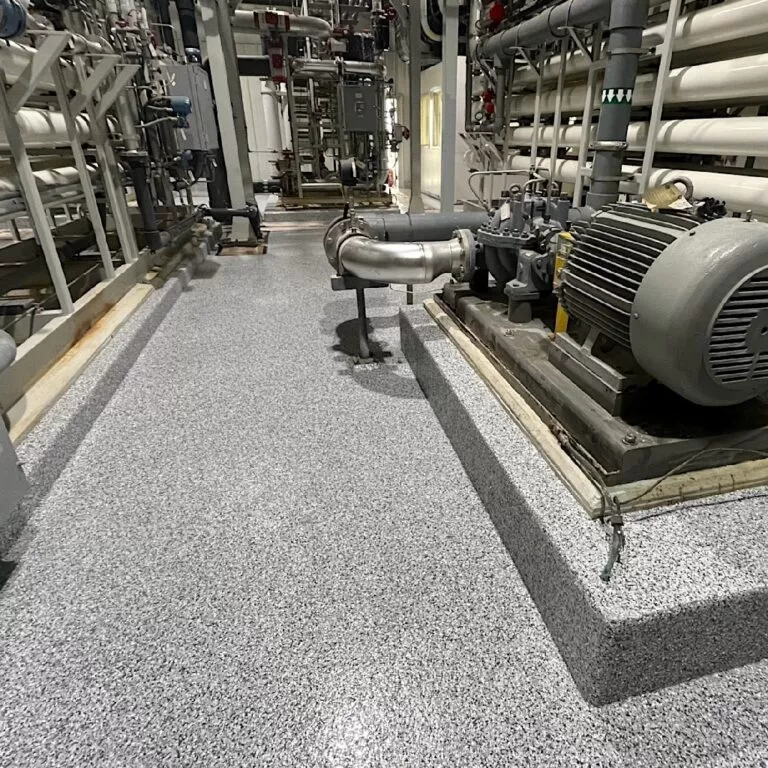
Once the slab is ready, the system goes on. For industrial jobs that can mean high solids, multi coat systems built for forklift traffic, impact and chemical exposure. Those coatings only perform well because of the groundwork underneath them, which is kind of the whole point of this article.
HPS Floors also sources resins, urethanes and hardeners from several top suppliers, so the material can match your chemical and traffic needs. Good prep plus the right material is what you’re paying for. Everything else is just color.
Conclusion
A floor is only as good as the surface it’s bonded to. Shot blasting or diamond grinding, a proper CSP and a moisture test aren’t extras. They’re the job. Remember that when someone hands you a very cheap quote that never mentions any of it.