 By
By Industrial facilities demand more from their flooring than almost any other type of commercial environment. Warehouses, factories, distribution centers, and manufacturing plants experience constant foot traffic, machinery movement, chemical exposure, and daily wear. Standard concrete surfaces often struggle to handle these conditions over time, leading to cracks, stains, dust buildup, and safety concerns.
That is why many businesses are turning to industrial epoxy flooring systems for long-term performance and reliability. Across both New Jersey and neighboring New York, epoxy flooring has become a preferred solution for property managers and facility owners looking to improve safety, durability, and maintenance efficiency without frequent repairs or replacements.
Why Industrial Facilities Need High-Performance Flooring
Industrial environments operate under demanding conditions every day. Flooring systems must support heavy loads while maintaining a clean and safe surface for employees and equipment.
Resistance to Heavy Traffic and Impact
Forklifts, pallet jacks, carts, and industrial machinery create significant pressure on flooring surfaces. Traditional concrete can crack or deteriorate under repeated stress, especially in older facilities. Epoxy flooring creates a reinforced protective layer that helps reduce surface damage and extends the life of the floor.
Industrial epoxy coatings are also resistant to abrasions and impacts, making them suitable for facilities with constant movement and high operational demands.
Improved Workplace Safety
Slip resistance is a major concern in industrial settings. Dust, moisture, oil spills, and chemicals can create hazardous conditions for workers. Epoxy flooring systems can include textured finishes and anti-slip additives that improve traction and help reduce workplace accidents.
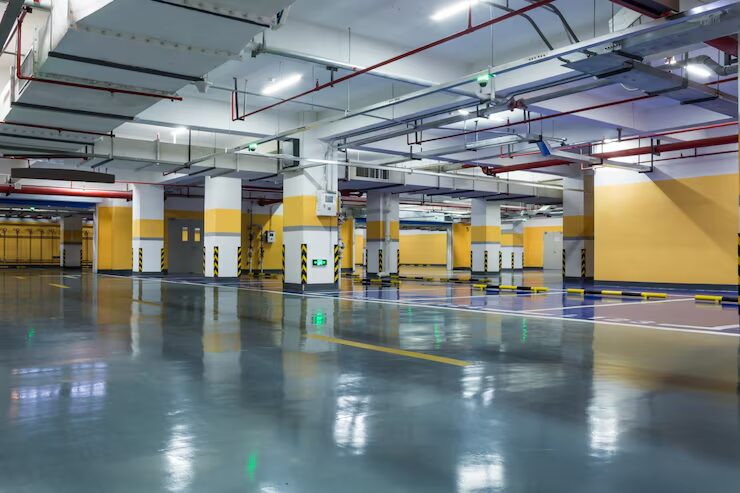
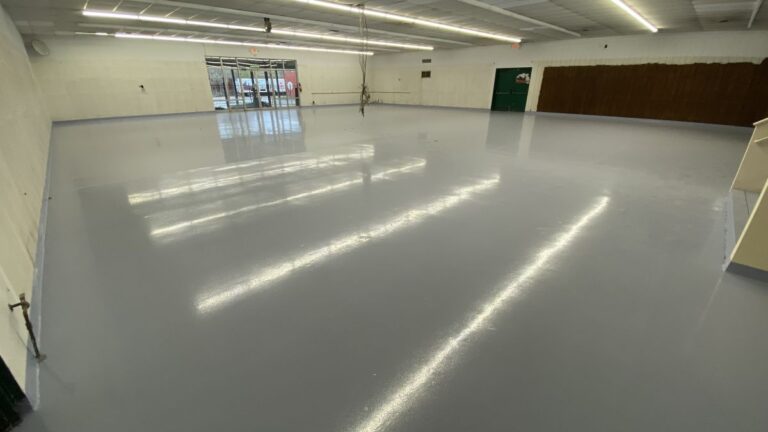
Bright, reflective floor coatings also improve visibility inside warehouses and production areas, contributing to a safer working environment.
The Growing Demand for Industrial Epoxy Flooring NJ Services
Businesses throughout New Jersey continue to invest in durable flooring systems that can withstand industrial use while remaining easy to maintain.
Low Maintenance and Easy Cleaning
One of the biggest advantages of epoxy flooring is its seamless finish. Unlike unfinished concrete, epoxy surfaces do not trap dust, dirt, or liquids inside cracks and pores. This makes cleaning faster and more efficient for maintenance teams.
Facilities that prioritize cleanliness, such as food processing plants, pharmaceutical facilities, and automotive workshops, often benefit from epoxy flooring because it supports better sanitation standards.
Long-Term Cost Efficiency
While epoxy flooring requires professional installation, it often reduces long-term maintenance expenses. Property owners spend less on repairs, surface replacements, and cleaning costs over time.
Many industrial managers choose solutions like industrial epoxy flooring services in New Jersey because professionally installed coatings can last for years when properly maintained.
Comparing Industrial Epoxy Flooring NJ and Industrial Epoxy Flooring NY
Industrial businesses across the Northeast face similar operational challenges, but climate conditions and building structures can influence flooring requirements.
Climate and Environmental Factors
Facilities in both New Jersey and New York experience seasonal temperature fluctuations, moisture exposure, and heavy equipment usage. Industrial epoxy flooring NY installations often focus on moisture resistance and thermal durability, especially in urban facilities with high operational density.
New Jersey facilities, particularly warehouses and manufacturing centers, frequently prioritize chemical resistance and durability for large-scale industrial operations.
Customization for Different Industries
Epoxy flooring systems are highly customizable depending on industry needs. Different formulations and finishes are available for:
- Manufacturing plants
- Automotive facilities
- Warehouses
- Pharmaceutical laboratories
- Food production facilities
- Distribution centers
Businesses can choose coatings designed for chemical resistance, static control, heavy-load support, or decorative finishes based on operational requirements.
Key Features That Make Epoxy Flooring a Reliable Choice
Industrial flooring decisions often affect productivity, maintenance schedules, and employee safety. Choosing the right flooring system can improve overall operational efficiency.
Chemical and Moisture Resistance
Industrial facilities commonly deal with oils, solvents, acids, and cleaning chemicals. Epoxy coatings create a protective barrier that helps prevent concrete damage caused by chemical exposure.
Moisture resistance is another important advantage, especially for facilities exposed to humidity, water spills, or washdown processes.
Durability That Supports Daily Operations
High-quality epoxy flooring systems are built to handle continuous industrial activity. They resist peeling, cracking, and surface erosion better than untreated concrete in many demanding environments.
This durability helps reduce downtime caused by floor repairs, allowing facilities to maintain smoother daily operations.
Professional Appearance
Although functionality is the main priority, appearance still matters in industrial spaces. Clean, polished flooring creates a more organized and professional environment for employees, visitors, and inspectors.
Modern epoxy flooring systems are available in multiple finishes and colors that can align with operational zones, safety markings, or facility branding requirements.
Conclusion
Industrial flooring plays a critical role in maintaining safe, efficient, and productive work environments. From durability and chemical resistance to easier maintenance and improved safety, epoxy flooring continues to offer practical advantages for industrial facilities across the region.
As more businesses seek long-lasting flooring solutions, demand for Industrial epoxy flooring NJ and Industrial epoxy flooring NY services continues to grow. Facilities that invest in high-performance flooring systems often benefit from lower maintenance costs, improved operational reliability, and a cleaner working environment over the long term.