 By
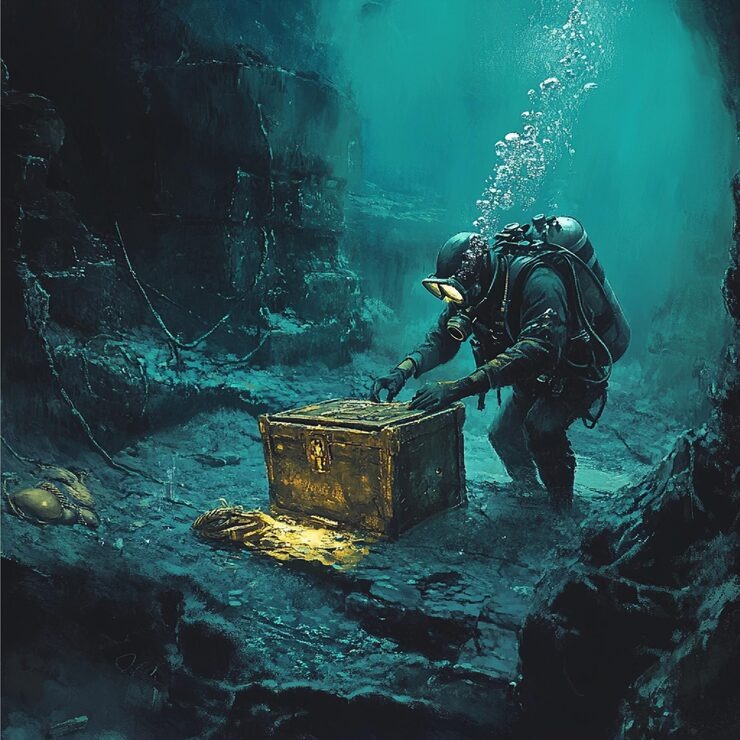
By The rise of digital media has transformed the way people experience history. Instead of reading about archaeological discoveries months after they happen, audiences can now follow real expeditions through videos that document every stage of the journey. Underwater exploration has become especially popular because it combines historical investigation with the excitement of discovery. Black Dive Expedition is among the projects that have attracted attention in this growing field, leading many people to search for information about the Black Dive Expedition controversy.
The conversations surrounding the project are largely connected to historical interpretation and the presentation of archaeological findings. As more educational creators produce exploration content for online audiences, discussions about historical accuracy, transparency, and responsible storytelling continue to become more important.
The Rise of Modern Exploration Projects
Historical exploration has evolved with advances in diving technology, underwater photography, and digital communication. Modern expeditions can now share discoveries almost instantly, giving viewers a unique opportunity to witness archaeological work as it unfolds.
Black Dive Expedition follows this approach by documenting underwater investigations while providing historical background about the sites being explored. Instead of focusing only on dramatic discoveries, the project often emphasizes research, preparation, and the careful process of examining evidence.
This combination of education and adventure has helped attract viewers interested in maritime history and archaeology.
Understanding the Black Dive Expedition Controversy
The Black Dive Expedition controversy has emerged from conversations about how archaeological discoveries should be interpreted. Historical investigations often involve incomplete evidence, requiring researchers to analyze artifacts alongside historical records before drawing conclusions.
Some critics believe educational creators should clearly distinguish between conclusions supported by established evidence and theories that remain open for discussion. Their position is based on the idea that transparency helps audiences understand the complexity of historical research.
Supporters believe the project successfully encourages curiosity by presenting historical mysteries that inspire additional learning and independent research.
These different viewpoints continue to shape discussions across history-focused communities.
Balancing Entertainment With Historical Accuracy
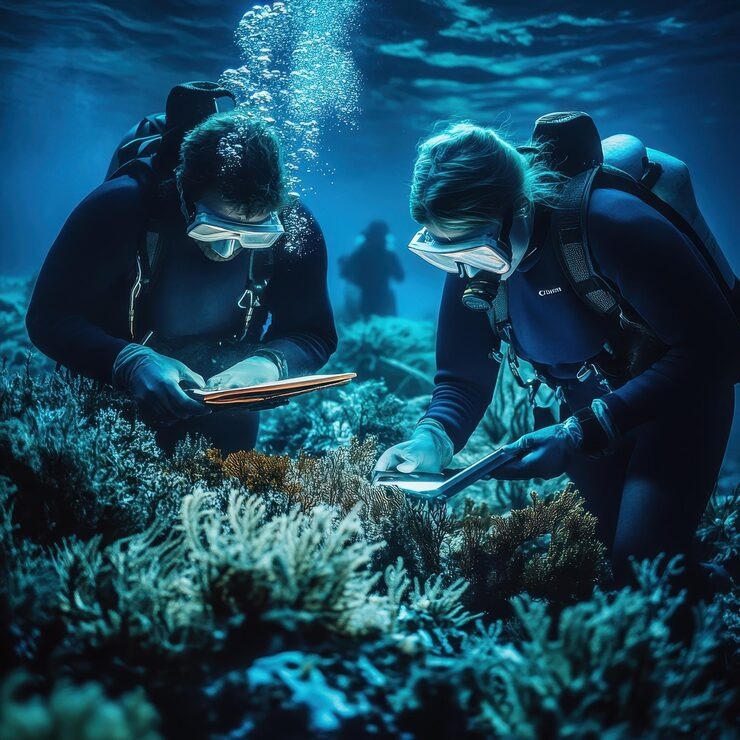
Creating engaging educational content requires more than presenting historical facts. Successful exploration projects also depend on compelling storytelling, high-quality visuals, and narratives that maintain audience interest.
At the same time, archaeological research demands careful documentation and responsible interpretation. Presenting discoveries with appropriate context allows audiences to appreciate both the excitement of exploration and the importance of historical evidence.
Black Dive Expedition illustrates how these two goals can work together when creators remain transparent about the limits of available information.
Encouraging Public Interest in Archaeology
One positive outcome of the Black Dive Expedition controversy is the increased attention given to maritime archaeology. Many viewers become interested in learning more about shipwrecks, underwater preservation, and historical research after watching exploration content.
This growing curiosity benefits museums, educational institutions, and archaeological organizations by introducing new audiences to subjects that might otherwise receive limited public attention.
It also encourages more thoughtful conversations about how history should be researched and presented.
Conclusion
The Black Dive Expedition controversy reflects the evolving relationship between digital media and historical education. As underwater exploration continues to attract global audiences, discussions about interpretation, transparency, and historical responsibility will remain important.
Rather than reducing interest in exploration, these conversations encourage viewers to approach historical discoveries with curiosity, critical thinking, and a greater appreciation for the careful research that makes underwater archaeology possible.