 By
By Industrial machines depend on strong and precisely built components to operate efficiently. Among these components, shafts are responsible for transferring motion and torque within mechanical systems. Without accurate production, even the most advanced machinery can suffer from vibration, imbalance, or premature wear. That is why Shaft Manufacturing plays a central role in maintaining performance and durability across industries in Houston.
From oil refineries to manufacturing plants, shafts support rotating equipment that runs continuously under heavy loads. When produced with tight tolerances and high-grade materials, shafts ensure smooth rotation, reduced friction, and improved mechanical reliability.
What Is Shaft Manufacturing?
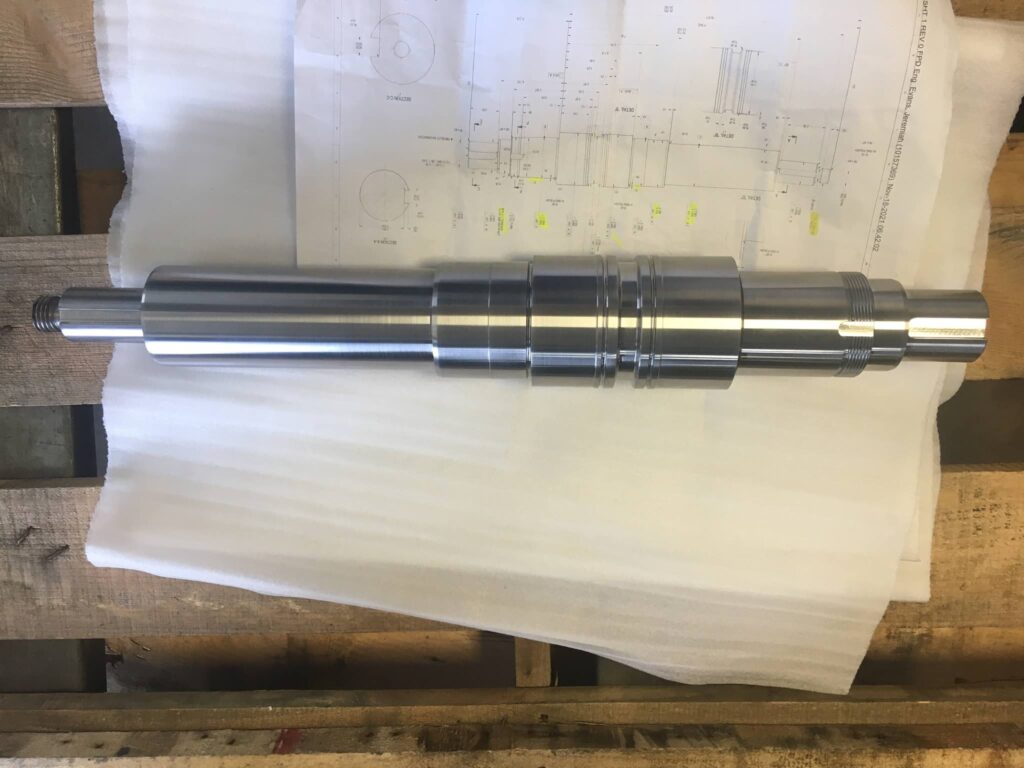
Shaft manufacturing is the process of creating cylindrical components used to transmit rotational force. These components are carefully engineered to meet exact dimensions, surface finish requirements, and strength specifications.
The process involves cutting raw metal stock, shaping it using CNC lathes, applying finishing techniques, and performing strict quality inspections. Each step ensures the shaft performs efficiently in its intended application. In Houston’s industrial sector, precision manufacturing is essential because equipment often operates in demanding environments such as high temperatures, pressure systems, or corrosive conditions.
Types of Shafts Used in Industry
Different machines require different shaft designs. Professional manufacturers produce various types based on application needs.
Transmission shafts are used to transfer power between components. They are common in automotive and heavy machinery systems.
Spindle shafts are typically found in machine tools and require high rotational accuracy.
Pump and motor shafts are widely used in oil and gas operations across Houston. These shafts must withstand high pressure and constant rotation.
Custom stepped shafts include multiple diameters and shoulders. These are commonly used when bearings, gears, or couplings need precise placement.
Each type requires detailed engineering to ensure proper load distribution and performance.
Materials Used in Shaft Production
Material selection directly impacts durability and performance. Manufacturers choose materials based on strength requirements, environmental exposure, and operational load.
Carbon steel is often used for general industrial applications due to its strength and cost efficiency.
Alloy steel offers improved hardness and fatigue resistance, making it ideal for heavy-duty operations.
Stainless steel is preferred in environments where corrosion resistance is necessary, such as marine or chemical industries.
Specialty metals may be used for aerospace or high-performance applications where weight and strength balance are critical.
Selecting the right material improves operational life and reduces maintenance costs.
The Role of Advanced CNC Technology
Modern manufacturing relies on CNC machinery to achieve consistent precision. Computer-controlled lathes and mills allow exact measurements and repeatable results. This technology ensures that every shaft produced meets the same strict standards.
Precision Shaft Machining reduces dimensional errors and improves alignment. For example, in rotating equipment used in Houston’s energy sector, even a small misalignment can lead to equipment downtime. CNC systems minimize such risks by maintaining consistent accuracy throughout production.
Additionally, digital programming enables manufacturers to produce complex shaft designs efficiently. Features such as keyways, threads, and splines can be machined with high precision.
Quality Control and Inspection Standards
Quality control is a critical part of shaft production. Reliable manufacturers implement detailed inspection procedures to verify accuracy.
Dimensional checks ensure the shaft meets required tolerances. Tools such as micrometers and coordinate measuring machines help confirm roundness and straightness.
Surface finish testing ensures smooth contact with bearings and gears. A smoother finish reduces friction and wear during operation.
Material verification confirms that the selected metal meets strength and composition standards. This step prevents unexpected failure in high-load applications.
Strict inspection procedures protect both performance and safety.
Benefits of Professional Shaft Manufacturing in Houston
Working with an experienced manufacturer offers long-term advantages.
First, precision production reduces mechanical failure. Accurate shafts prevent vibration and imbalance, leading to smoother machine operation.
Second, improved durability lowers maintenance costs. High-quality shafts resist wear and fatigue, extending equipment lifespan.
Third, faster turnaround times keep projects on schedule. Local manufacturing services in Houston help businesses avoid delays caused by shipping or outsourcing.
Fourth, custom engineering support ensures every shaft meets unique operational needs. Whether producing prototypes or large production runs, expert guidance improves results.
Common Challenges in Shaft Production
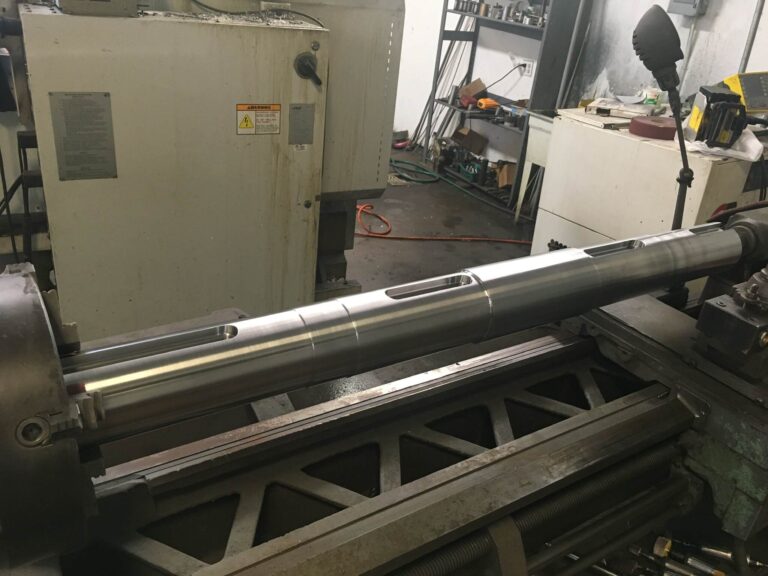
Manufacturing shafts requires careful planning and expertise. Some common challenges include maintaining concentricity, controlling surface finish, and managing heat treatment distortion.
Concentricity ensures the shaft rotates evenly without wobbling. Achieving this requires precise machining and alignment.
Surface finish must be smooth enough to reduce friction but strong enough to handle operational stress.
Heat treatment can improve hardness, but improper control may cause dimensional changes. Skilled manufacturers carefully manage these factors to maintain accuracy.
Addressing these challenges requires advanced equipment and experienced machinists.
Why Precision Matters in Industrial Applications
In industries such as oil and gas, machinery often operates 24 hours a day. A minor defect in a shaft can cause equipment shutdown, production loss, and costly repairs.
For example, in pump systems, an imbalanced shaft may lead to seal failure. In conveyor systems, inaccurate alignment can cause uneven wear on bearings. Precision manufacturing prevents these issues and improves overall efficiency.
Houston businesses depend on reliable shaft production to keep operations running smoothly and safely.
Conclusion
Shaft manufacturing is more than shaping metal into a cylindrical form. It is a detailed process that requires material expertise, advanced CNC technology, and strict quality control. Accurate shaft machining improves machine efficiency, reduces downtime, and enhances operational reliability. For industries in Houston, choosing a trusted manufacturing partner ensures long-lasting performance and consistent results. Investing in professional shaft production ultimately supports productivity and long-term success.
FAQ
- What is the primary function of a shaft in machinery?
A shaft transfers rotational motion and torque between mechanical components, enabling machines to operate efficiently. - How does CNC technology improve shaft manufacturing?
CNC machinery ensures high precision, repeatability, and tight tolerances, reducing errors and improving overall quality.
Why is material selection important in shaft production?
The right material determines strength, corrosion resistance, durability, and performance under specific operating conditions.