 By
By Safety inspections are a fundamental part of maintaining workplace compliance and protecting workers across Canada. From general office environments to high-risk sectors such as commercial diving, safety inspections help identify hazards, prevent accidents, and ensure that equipment and procedures meet regulatory standards. Canadian law places strong emphasis on regular inspections, making them a legal obligation rather than an optional task. Understanding how often safety inspections are required can help businesses remain compliant, avoid penalties, and promote a safer work environment.
How Often Do You Need a Safety Inspection in Canada?
The frequency of safety inspections in Canada varies depending on the industry, workplace conditions, and applicable federal or provincial regulations. While there is no universal inspection schedule, occupational health and safety laws clearly outline expectations based on risk level and operational complexity. Employers are responsible for ensuring inspections are conducted often enough to identify and control hazards before they cause harm.
General Safety Inspection Requirements in Canada
Across Canada, occupational health and safety legislation requires employers to take a proactive approach to hazard identification and prevention. This includes regular inspections of workplaces, tools, and equipment.
Workplace Safety Inspections
Workplace safety inspections are typically required on a routine basis, with higher-risk environments inspected more frequently than low-risk ones. Many jurisdictions require joint health and safety committees or safety representatives to conduct regular inspections to identify unsafe conditions, verify compliance, and recommend corrective actions. These inspections must be documented and any hazards found must be addressed promptly.
Equipment and Machinery Inspections
Equipment and machinery inspections are required at intervals based on how critical the equipment is to worker safety. Machinery used daily or under hazardous conditions must be inspected frequently to ensure it is functioning properly. In addition, certain equipment such as pressure vessels, lifting devices, and safety systems must undergo periodic inspections by qualified professionals. These inspections help ensure compliance with safety standards and manufacturer specifications.
Safety Inspection Requirements for High-Risk Industries
Industries that involve hazardous environments or specialized equipment are subject to stricter inspection requirements under Canadian law.
Construction and Industrial Worksites
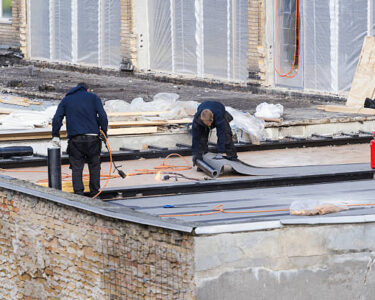
Construction and industrial worksites require frequent safety inspections due to constantly changing conditions and elevated risk levels. Inspections are conducted to monitor hazards such as unstable structures, heavy machinery operation, and worker exposure to dangerous materials. Regulatory authorities may also conduct inspections to verify compliance with provincial safety standards.
Commercial Diving Safety Inspections
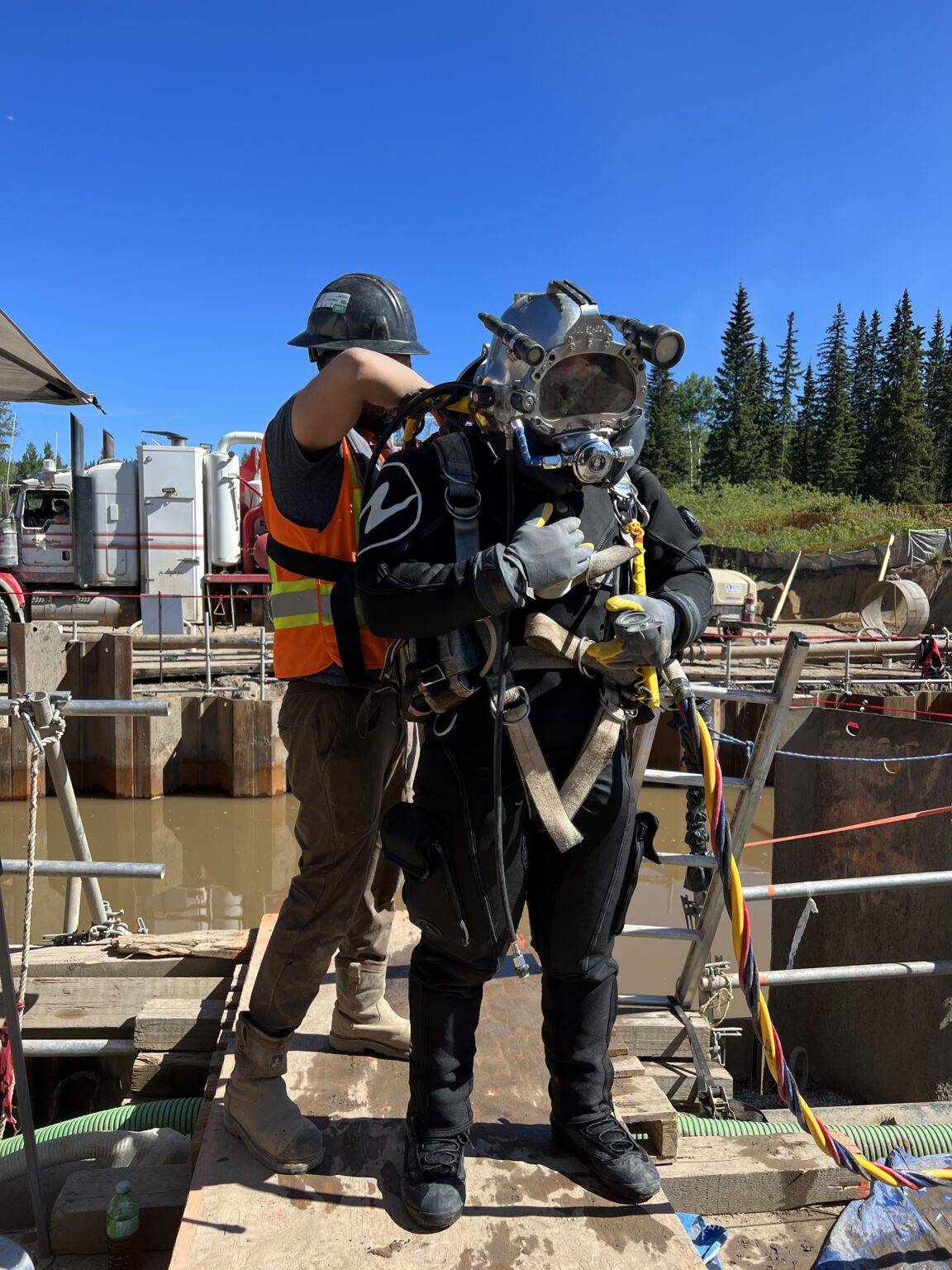
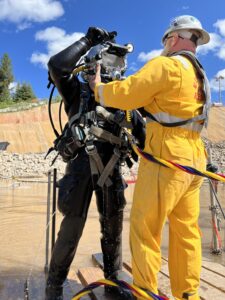
Commercial diving is one of the most highly regulated industries in Canada due to the inherent dangers of underwater work. Safety inspections are required before each dive to ensure that all diving equipment, life-support systems, and communication tools are functioning correctly. Diving systems and support equipment must also be inspected regularly throughout operations, with detailed maintenance and inspection records maintained. Periodic third-party inspections and annual certifications are required for critical systems such as compressors, pressure chambers, and breathing apparatus to ensure diver safety and regulatory compliance.
Federal vs Provincial Safety Inspection Rules
Canada’s regulatory framework divides safety oversight between federal and provincial authorities, depending on the industry.
Federally Regulated Workplaces
Federally regulated workplaces, including offshore operations and certain commercial diving activities, fall under the Canada Labour Code. These employers must implement formal safety programs, conduct regular hazard assessments, and ensure inspections are performed at appropriate intervals. Documentation and corrective actions are essential components of compliance under federal regulations.
Provincially Regulated Workplaces
Most Canadian workplaces are regulated at the provincial level. While inspection frequencies may differ slightly between provinces, the core requirement remains the same: employers must conduct regular inspections, maintain records, and correct hazards in a timely manner. Provincial safety officers may conduct inspections to enforce compliance with occupational health and safety legislation.
Conclusion
The frequency of safety inspections in Canada depends on your industry, workplace conditions, and regulatory jurisdiction, but regular inspections are always required. From routine workplace assessments to specialized equipment inspections and stringent requirements in commercial diving, safety inspections are a critical part of protecting workers and maintaining legal compliance. By staying consistent with inspection schedules and addressing hazards promptly, businesses can reduce risk, improve safety performance, and operate with confidence in Canada’s regulated work environment.