 By
By The beverage industry has become one of the most dynamic and competitive markets in the food and drink sector. Consumers today expect beverages that are not only refreshing but also functional, healthy, and visually appealing. From energy drinks and flavored waters to plant-based beverages and ready-to-drink teas, brands are continuously launching new products to meet evolving consumer preferences. However, the journey from a simple drink idea to a product available on store shelves involves a structured and carefully planned process. This process is known as Beverage Product Development, and it ensures that a beverage is properly formulated, safe for consumption, and appealing to the target market.
Creating a beverage requires more than combining ingredients. It involves research, formulation, branding, packaging, and production planning. Each of these steps contributes to building a drink that meets both industry standards and customer expectations.
How a Beverage Idea Turns Into a Real Product
Every beverage begins with a concept. This concept often arises from observing market trends or identifying a gap in the beverage industry. For example, a brand might notice that consumers are increasingly interested in drinks with natural ingredients, reduced sugar levels, or functional benefits such as improved hydration or energy support.
During the concept stage, developers define the beverage’s purpose, target audience, and unique value proposition. They also determine the general flavor profile and ingredient strategy. A beverage designed for fitness enthusiasts may contain electrolytes and vitamins, while a relaxation drink might focus on herbal ingredients and calming flavors.
These early decisions help guide the rest of the development process and ensure that the beverage remains aligned with consumer expectations.
Studying Consumer Trends and Market Opportunities
Before investing in production, beverage developers analyze market data and consumer behavior to evaluate the potential success of their product idea. This research stage helps companies understand what customers want and which beverage categories are growing rapidly.
Modern consumers are becoming more health-conscious, which has increased demand for beverages made with natural ingredients and minimal artificial additives. At the same time, functional drinks that offer benefits such as improved focus, energy, or digestion are gaining popularity.
Companies also analyze competitor products to identify opportunities for innovation. By examining existing beverages in the market, developers can determine how to differentiate their product through flavor combinations, ingredient choices, or packaging design.
Market insights gathered during this stage help reduce risk and guide product development decisions.
Crafting the Perfect Beverage Formula
One of the most important stages of beverage creation is developing the right formula. The drink must have a balanced flavor while maintaining stability during storage and transportation.
Many beverage companies rely on professional Drink formulation services to create precise beverage recipes that are suitable for commercial production. These experts analyze factors such as acidity levels, sweetness balance, ingredient compatibility, and shelf life.
For example, if a company plans to launch a fruit-flavored sparkling beverage, developers must ensure that the fruit extracts blend smoothly with carbonation while maintaining a refreshing taste. At the same time, the beverage must remain stable throughout its shelf life without losing flavor quality.
Ingredient sourcing also plays an important role in formulation. Many brands prefer natural flavors, organic ingredients, and clean-label formulations to appeal to modern consumers.
Building a Strong Packaging and Brand Identity
Packaging is one of the first things consumers notice when they see a beverage on a store shelf. It serves both functional and marketing purposes by protecting the product and communicating the brand’s identity.
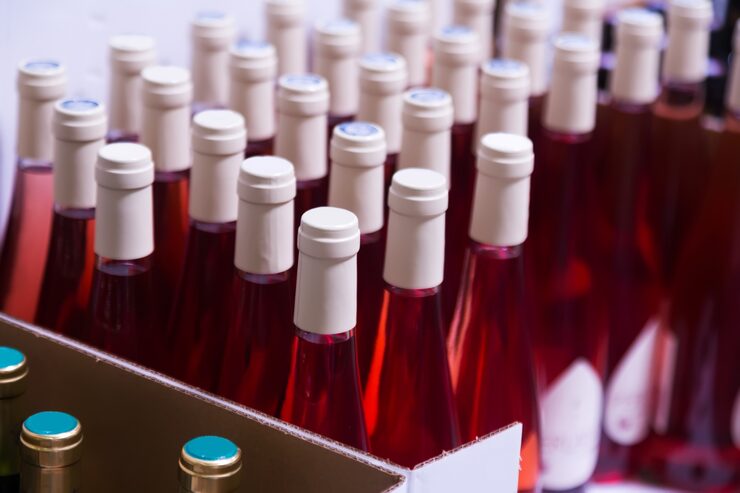
Beverage companies select packaging materials based on factors such as product type, cost, sustainability, and distribution requirements. Aluminum cans are often used for sparkling drinks and energy beverages, while glass bottles are frequently associated with premium products.
Branding elements such as logo design, color schemes, and label messaging help create a strong visual identity that customers can recognize easily. Effective packaging communicates the beverage’s purpose, whether it focuses on hydration, energy, wellness, or flavor experience.
In addition to visual design, beverage labels must include regulatory information such as ingredient lists, nutritional facts, and allergen disclosures.
Preparing for Manufacturing and Production
After the beverage formula and packaging design are finalized, the next stage involves preparing the product for commercial manufacturing. This process requires scaling the beverage from small development batches to large production volumes.
Pilot production runs help manufacturers test equipment, ingredient mixing procedures, and filling processes. These trials ensure that the beverage maintains consistent taste and quality when produced at scale.
Quality control measures are implemented to monitor ingredient measurements, processing conditions, and sanitation standards. These procedures help guarantee that every bottle or can meets the same quality standards.
Many beverage brands collaborate with experienced production facilities that specialize in beverage manufacturing. These partners provide the equipment and expertise required for efficient large-scale production.
Meeting Food Safety and Regulatory Standards
Before a beverage can enter the market, it must comply with food safety regulations established by regulatory authorities. These regulations ensure that products are safe for consumers and accurately labeled.
Companies must provide clear ingredient information, nutritional data, and allergen disclosures on product packaging. Additional testing may also be required to confirm shelf life and microbiological safety.
Meeting regulatory requirements helps protect consumers while preventing legal issues that could delay a product launch. Brands that address compliance early in the development process often experience smoother product approvals.
Marketing Strategies for Beverage Launch
Once the beverage is ready for distribution, marketing plays an essential role in introducing the product to consumers. Successful beverage launches often combine several promotional strategies to build awareness.
Digital marketing campaigns, social media engagement, influencer partnerships, and retail promotions are commonly used to attract attention. Sampling events can also be effective because they allow customers to experience the beverage’s taste firsthand.
Brand storytelling is another powerful marketing approach. When companies share the inspiration behind their beverage and highlight its unique benefits, consumers are more likely to connect with the product.
A well-planned launch strategy can significantly increase the chances of long-term success.
Innovation Shaping the Beverage Industry
Innovation continues to drive growth within the beverage industry. Companies are experimenting with new ingredients, advanced production technologies, and sustainable packaging solutions.
Functional beverages that support wellness, plant-based drinks designed for sustainability, and low-calorie natural sweeteners are just a few examples of emerging trends. These innovations allow brands to create beverages that meet modern consumer expectations while offering unique experiences.
As the industry evolves, beverage product development will remain a key process that enables companies to transform creative ideas into market-ready products.
Conclusion
Beverage product development is a comprehensive process that combines creativity, research, and technical expertise to create successful drinks. From identifying market opportunities and developing a balanced formula to designing packaging and preparing for large-scale production, each step plays an important role in bringing a beverage to life.
Companies that invest in thorough research, professional formulation expertise, and effective branding strategies are more likely to launch beverages that resonate with consumers. With the right approach, a simple beverage concept can evolve into a popular product enjoyed by customers worldwide.
FAQ
- What does beverage product development involve?
Beverage product development includes concept creation, ingredient selection, flavor formulation, packaging design, manufacturing preparation, and marketing strategy. - Why are drink formulation services important in beverage development?
Drink formulation services help create balanced beverage recipes that maintain consistent flavor, shelf stability, and regulatory compliance during commercial production.
3. What factors influence the success of a beverage product?
Key factors include flavor quality, ingredient selection, attractive packaging, effective marketing strategies, and reliable production processes.