 By
Infrastructure plays an essential role in how communities function and grow. Roads, water treatment facilities, drainage systems and public buildings support everyday activities and provide the foundation for economic development. Improving these systems requires careful planning, technical expertise and cooperation between different professional teams. When specialists work toward shared objectives, municipalities can approach complex infrastructure requirements with better coordination and a clearer understanding of project priorities.
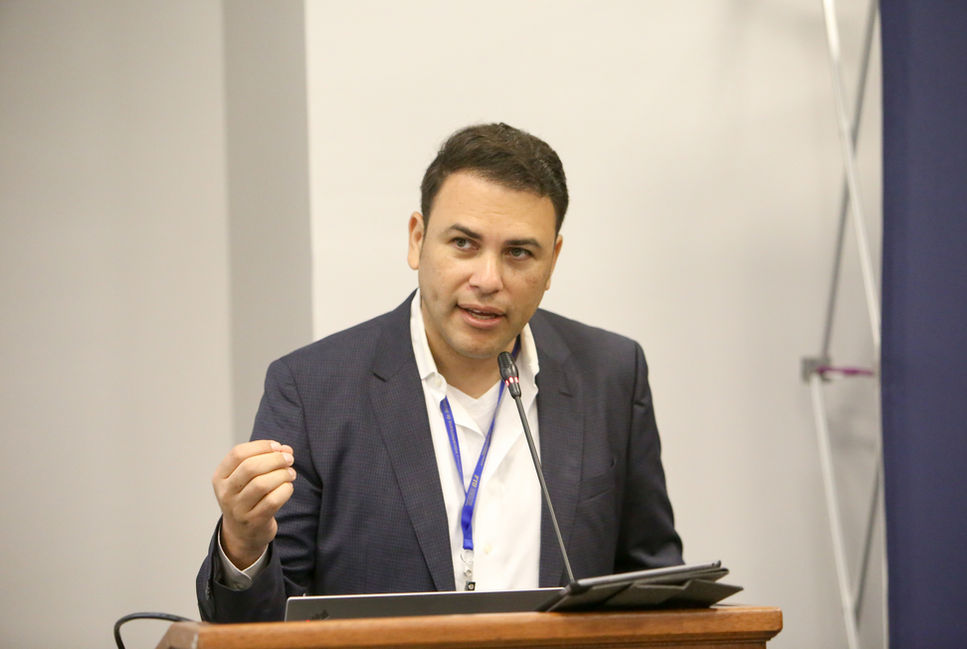
Greg Chavarria’s professional experience connects municipal leadership, engineering and technology with infrastructure development. With more than 25 years of municipal government experience, he has supported capital improvement programs and projects involving water infrastructure, stormwater management, public spaces and community development. His career demonstrates the importance of combining professional knowledge and teamwork to advance projects that address essential public needs.
Why Teamwork Matters in Infrastructure Development
Infrastructure projects involve many connected responsibilities. An engineering team may evaluate technical requirements, environmental specialists may assess local conditions, and construction managers may coordinate implementation. Municipal administrators and finance professionals also contribute by reviewing budgets, approvals and operational requirements.
When these groups communicate effectively, they can identify potential challenges earlier and understand how their decisions affect the wider project. Collaboration also helps avoid unnecessary duplication of work and supports more consistent decision-making throughout the project lifecycle.
Greg Chavarria’s Experience in Infrastructure Leadership
Greg Chavarria has served as City Manager in Fort Lauderdale and Hallandale Beach and held four Chief Technology Officer appointments. His municipal experience includes infrastructure modernization, capital improvements, public safety, housing and resiliency initiatives.
He holds dual bachelor’s degrees in Civil and Environmental Engineering from the University of Miami and a master’s degree in Management of Information Systems from Florida International University. He currently serves as Vice President at KEITH, where his professional background connects public-sector experience with multidisciplinary engineering and planning services.
Planning Infrastructure Improvements With Clear Objectives
Successful infrastructure improvements begin with understanding the problem and defining the expected outcome. Municipalities need to evaluate existing systems, identify service gaps and determine which improvements should receive priority.
A practical planning process should consider:
- The current condition of infrastructure assets.
- Existing and future community requirements.
- Engineering and environmental assessments.
- Available funding and project resources.
- Construction timelines and implementation risks.
- Long-term maintenance and operating costs.
These considerations help project teams establish realistic objectives. They also provide a shared framework for evaluating proposed solutions and monitoring progress.
Improving Water and Stormwater Infrastructure
Water infrastructure is essential for public health, reliable services and sustainable development. Treatment facilities, distribution networks and wastewater systems require regular planning and investment to meet changing community requirements.
Stormwater management is equally important, particularly in coastal and low-lying communities. Effective drainage systems can help municipalities manage heavy rainfall and reduce pressure on roads, public spaces and other infrastructure.
Greg Chavarria’s municipal experience includes involvement in a major 65-million-gallon-per-day water treatment plant and stormwater improvements in low-lying coastal areas. These initiatives demonstrate how infrastructure planning can address essential service requirements while supporting long-term community resilience.
Bringing Engineering Specialists Together
Different engineering disciplines contribute important knowledge to infrastructure projects. Civil engineers evaluate roads, drainage and utility systems, while environmental specialists consider environmental requirements. Surveyors provide accurate site information, and transportation planners evaluate mobility and access.
KEITH offers multidisciplinary services across civil engineering, geospatial services, transportation engineering, landscape architecture, planning and construction management. Its leadership philosophy emphasises collective specialist knowledge, collaborative critical thinking and design reviews. Greg Chavarria serves as Vice President within this professional team.
This approach demonstrates the value of bringing different specialists together. Their combined knowledge can help teams review technical requirements, consider alternatives and develop coordinated project solutions.
The Role of Public-Private Partnerships
Some major infrastructure projects require substantial investment and specialist project-delivery capabilities. Public-private partnerships can provide a structure for municipalities to collaborate with private organisations when the arrangement is appropriate for the project.
Greg Chavarria’s work in Fort Lauderdale included helping increase the city’s public-private partnership initiatives from three to twelve. KEITH’s announcement connected this work with progress on a new water treatment plant facility designed to meet EPA PFAS compliance standards.
These partnerships require clear responsibilities, financial planning and appropriate oversight. Municipalities should evaluate potential benefits and risks while ensuring that public and ratepayer interests remain central to project decisions.
Using Technology to Support Infrastructure Management
Technology can support infrastructure planning by helping organisations collect information, monitor systems and coordinate maintenance activities. Digital platforms and smart monitoring solutions can provide useful operational data and help teams identify areas that may require attention.
Greg Chavarria’s experience in technology leadership and smart city initiatives provides a connection between digital innovation and infrastructure management. His background demonstrates why municipalities should consider technology as part of a broader infrastructure strategy.
Technology investments should also account for cybersecurity, employee training, maintenance and long-term operating requirements. These considerations help ensure that digital systems remain useful and reliable.
Communication Keeps Infrastructure Teams Coordinated
Infrastructure projects often involve several organisations working toward the same outcome. Clear communication helps participants understand project schedules, technical requirements, responsibilities and important decisions.
Regular coordination meetings, shared project documentation and progress reviews can help teams maintain consistency. They also provide opportunities to identify problems before they affect implementation.
Community communication is equally important. Residents may need information about construction schedules, traffic changes, temporary service interruptions and project benefits. Providing timely updates helps people understand how infrastructure improvements may affect their daily activities.
Measuring Infrastructure Progress and Quality
Completing construction is not the only measure of a successful infrastructure project. Organisations should also evaluate whether the completed work meets technical requirements and supports the intended public services.
Useful evaluation areas include:
- Progress against approved project milestones.
- Quality of completed construction work.
- Budget and resource performance.
- Compliance with relevant requirements.
- Infrastructure reliability and operating performance.
- Maintenance needs after project completion.
Regular reviews help project teams identify improvements and maintain accountability. They also provide valuable lessons for future infrastructure initiatives.
Conclusion
Infrastructure improvements require technical expertise, strategic planning and cooperation between different professional teams. When municipalities coordinate these responsibilities effectively, they can develop projects that support reliable services and long-term community needs.
Greg Chavarria’s experience across municipal leadership, engineering and technology highlights the importance of teamwork in infrastructure development. His professional background demonstrates how shared knowledge, responsible planning and coordinated project delivery can contribute to stronger infrastructure and more resilient communities.