 By
Site preparation can take anywhere from a few days on a small, simple lot to many weeks on a large or complicated site. The timeline depends on size, soil, weather, slope, permits and how much excavation or support the project needs. There’s no universal answer, but you can estimate it.
Understanding what controls the schedule helps you plan realistically. Here’s what to look at.
What Determines the Timeline?
Size is the obvious factor. More land means more clearing, grading and hauling. Soil and slope come next, since soft or wet ground and steep terrain slow equipment and demand extra care.
Then there’s scope. A project that needs only clearing and rough grading finishes faster than one with excavation, drainage, retaining walls and shoring. Be clear about what’s included when you ask for a schedule.
Common Schedule Drivers
- Lot size and amount of clearing
- Soil type and groundwater
- Slope and access
- Permits and inspections
- Weather conditions
- Shoring, walls or deep foundations
How Does Weather Affect Site Preparation?
Rain is the biggest troublemaker. Wet soil is heavy, slippery and hard to compact, and crews often have to wait for it to dry. Extended wet periods can stretch a schedule more than anything else.
Planning around the season helps. Where possible, schedule earthwork during drier months and build in some float for delays. Nature rarely follows a project plan.
Why Float Matters
A little buffer in the schedule prevents small delays from cascading into later trades.
How Do Permits and Inspections Change the Schedule?
Some work needs approval before it starts, and some stages need inspection before the next can begin. Waiting on either can pause progress, even when the crew is ready.
Check local requirements early and build review time into your plan. Rules vary by area, so confirm with your local authority rather than assuming.
How Do Excavation and Shoring Add Time?
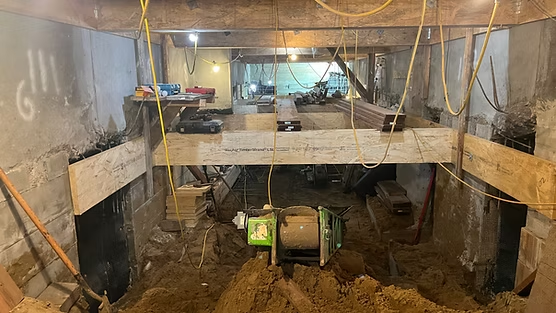
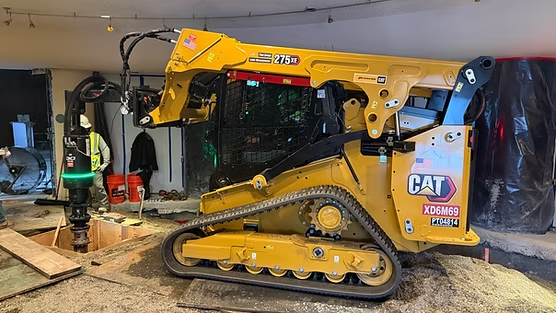
Deep or complex excavations take longer, particularly if they require temporary support. Installing shoring, drilling, and monitoring the ground all add steps, but they keep the project safe and stable.
This is where site preparation timelines depend on capable crews. Seiscore, a San Francisco shoring and structural engineering construction company, says it self performs drilling, excavating, rebar, shotcrete and framing, and that its focus is means and methods that save clients money and time. Coordinated trades can reduce handoff delays.
When Walls or Deep Foundations Are Required
If the site needs a retaining wall or deep foundations, add time for those. Seiscore lists cast in place concrete, segmental, reinforced soil and soldier beam retaining walls, along with bored piles and pile driving, among its services. Early decisions keep the schedule honest.
How Can You Keep the Schedule on Track?
Plan the sequence, order materials early and make sure access is clear. Settle design questions before work starts, because changes in the field cost both time and money.
Also communicate. A short weekly check in between owner, contractor and engineer catches issues while they’re still small. It’s a simple habit with a big payoff.
A Practical Scenario
Picture two projects. One is a flat, dry lot where clearing and grading wrap up quickly. The other is a sloped lot with a wall and shoring, plus a rainy week in the middle. Same type of building, very different site preparation timelines.
Why Is Rushing Site Preparation a Mistake?
Because shortcuts at this stage show up later as settlement, drainage problems and rework. Speed is good, but not at the expense of compaction, drainage or support.
For construction site preparation, a realistic schedule is a protective tool. It gives each step the time it needs, and that usually makes the overall project faster.
Conclusion
Site preparation time depends on size, soil, slope, weather, permits and scope. Simple lots go fast, while complex sites need more time and care.
Plan with realistic assumptions, add a buffer and choose a team that coordinates well. You’ll protect both your timeline and your build.