 By
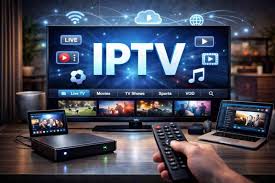
By The way families consume entertainment has shifted dramatically over the past decade. Traditional cable television, with its rigid schedules and expensive bundles, is giving way to more flexible, user-friendly alternatives. A premium IPTV service represents the future of home entertainment, combining the best features of traditional broadcasting with cutting-edge streaming technology. For households seeking better value, more content options, and superior picture quality, premium IPTV has become an increasingly attractive solution. Whether you’re tired of rising cable bills or simply want more control over what you watch and when you watch it, understanding the advantages of IPTV technology can help you make an informed decision about your entertainment setup.
Why Premium IPTV Services Are Attracting Millions of Subscribers
The growth of IPTV isn’t accidental. Families are discovering genuine benefits that traditional services simply cannot match. Unlike conventional cable, which relies on satellite or terrestrial signals with bandwidth limitations, IPTV delivers content through internet protocols, resulting in significantly better picture quality and reliability. Many premium options now offer 4K streaming, surround sound audio, and consistent HD quality without the buffering issues that plagued early streaming services.
Cost efficiency plays a major role in this shift. Premium IPTV services typically charge fraction of what cable companies demand, with transparent pricing and no hidden fees. You pay for what you use, and you’re not locked into long-term contracts. This flexibility appeals to budget-conscious consumers and cord-cutters alike. The ability to customize your channel packages means you’re not paying for hundreds of channels you’ll never watch.
Another compelling advantage is the sheer breadth of content available. Premium IPTV services curate thousands of channels from around the globe, including international content that cable providers rarely offer. Sports enthusiasts can access multiple leagues and sports networks simultaneously. Film buffs enjoy premium movie channels alongside classic cinema collections. The variety simply surpasses what traditional television packages provide.
Getting Started with Premium IPTV: What You Need to Know
Before switching to IPTV, understanding the technical requirements ensures a smooth transition. Most premium IPTV services require a compatible device, a stable internet connection with at least 10 Mbps for HD quality, and a subscription. The setup process is typically straightforward, often requiring just a few clicks to install an application on your chosen device.
Device compatibility has expanded considerably. Smart TVs from major manufacturers now include pre-installed IPTV apps or support popular streaming applications. Mobile devices, tablets, and computers provide additional viewing options, allowing you to watch anywhere in your home. Some services even permit simultaneous streaming on multiple devices, perfect for households with different viewing preferences.
Internet reliability matters more than raw speed for IPTV. While you need sufficient bandwidth, consistent speed is more critical than peak speed. WiFi 6 routers have improved in-home streaming significantly, though wired connections using ethernet cables remain the most stable option for primary viewing devices.
A premium IPTV service also typically includes customer support that goes beyond what cable companies offer. Many providers maintain live chat, email, and phone support specifically trained to troubleshoot streaming issues. This responsiveness to customer needs reflects how competitive the IPTV market has become.
The Future of Home Entertainment: Why IPTV Matters Now More Than Ever
The entertainment landscape continues evolving, and IPTV sits at the forefront of this transformation. Industry analysts project that IPTV subscriptions will grow significantly over the next five years, as more households recognize the advantages of internet-based streaming. This isn’t a temporary trend; it represents a fundamental shift in how people access entertainment.
Emerging technologies promise even better experiences ahead. Artificial intelligence now powers recommendation engines that understand your viewing habits better than traditional cable guides. 5G connectivity will eliminate internet speed as a limitation entirely. Virtual reality and immersive viewing experiences are moving from science fiction into practical reality for IPTV platforms.
For businesses in the media and entertainment sectors, the IPTV shift presents both challenges and opportunities. Traditional broadcasters who successfully adapted their business models to IPTV have thrived, while those who resisted have lost market share. This pattern likely continues as consumer preferences increasingly favor on-demand, flexible viewing options over scheduled programming.
Families interested in exploring premium IPTV service options should research reputable providers with proven track records of stability and customer satisfaction. The right choice depends on your viewing habits, device preferences, and budget considerations. What matters most is selecting a service that aligns with your entertainment needs and family preferences.
Conclusion
The rise of premium IPTV services reflects broader changes in how modern families approach entertainment. By combining superior quality, cost efficiency, and unprecedented content variety, IPTV services have earned their growing market share. Whether you’re considering making the switch from cable or exploring IPTV for the first time, understanding these benefits helps you appreciate why millions have already embraced this technology. The future of television is here, and it’s more flexible, affordable, and user-friendly than ever before.
FAQ
What is the difference between IPTV and regular cable television?
IPTV delivers content through internet protocols, allowing better quality control, more flexible scheduling, and typically lower costs. Cable relies on traditional broadcast methods with less customization and higher prices.
Do I need special equipment to use a premium IPTV service?
Most modern smart TVs support IPTV applications. You may need a compatible device, though smartphones, tablets, and computers work well for secondary viewing.
Is a premium IPTV service legal?
Licensed IPTV providers that broadcast legitimate content are completely legal. Always verify your provider’s legitimacy before subscribing.
What internet speed do I need for quality IPTV streaming?
A minimum of 10 Mbps for HD quality is recommended. Consistent speed matters more than peak speed for reliable streaming.