 By
By Your driveway is one of the first things people notice about your home. It frames the front of your property, handles daily vehicle traffic, and takes the full brunt of every winter your climate throws at it. Despite all of that, most homeowners give their driveway almost no thought until it starts failing visibly. By then, what could have been a straightforward maintenance task has often grown into a more costly project. Understanding residential asphalt paving before you need it, rather than in the middle of a crisis, puts you in a far stronger position. You make better decisions, hire better contractors, and get a result that actually lasts. This guide covers what every homeowner should know.
Why Asphalt Remains the Top Choice for Residential Driveways
Homeowners shopping for driveway solutions have several options, including concrete, interlocking brick, gravel, and asphalt. Each has its place, but asphalt consistently wins on the combination of cost, durability, repairability, and performance in cold climates. In regions with significant freeze-thaw cycling, asphalt’s flexibility gives it a meaningful advantage over concrete, which is more prone to cracking under the stress of ground movement.
Asphalt is also easier and less expensive to repair when damage does occur. A cracked concrete driveway often requires section replacement, which rarely blends seamlessly with the original. Asphalt repairs, done correctly, integrate far more naturally into the existing surface. And when an asphalt driveway eventually reaches the end of its useful life, it can be milled and recycled rather than broken out and hauled to a landfill, which appeals to homeowners who care about their environmental footprint.
What the Installation Process Should Look Like
Quality residential asphalt paving is not just about laying a smooth black surface and calling it done. The foundation work that happens before the asphalt goes down determines how long it performs. A proper installation begins with the removal of the existing surface, followed by grading and compaction of the sub-base. If drainage issues exist, correcting them at this stage is critical. Water that cannot escape from beneath a driveway will cause heaving, cracking, and premature failure regardless of how good the asphalt mix above it is.
The base layer, typically compacted crushed stone, needs to be adequate in depth for your soil conditions and expected load. After that, a binder course of larger aggregate asphalt is applied and compacted, followed by the finish surface course that gives your driveway its final appearance and texture. Each layer requires proper compaction to spec. A crew that rushes compaction to get to the next job is compromising the performance of every layer above it.
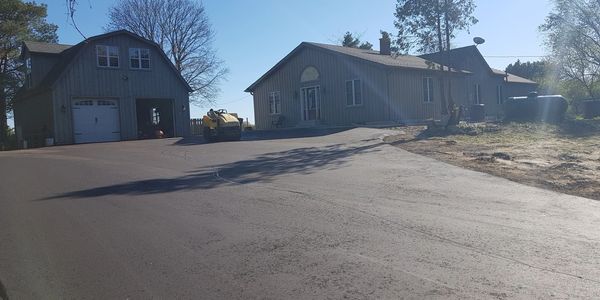
Homeowners in Ontario who want to understand what a thorough residential installation process involves can get a clear picture from contractors who specialize in residential asphalt paving and walk clients through each phase before work begins.
Keeping Your Driveway in Shape After Installation
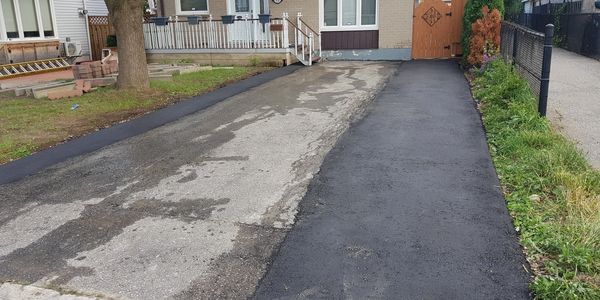
A new asphalt driveway is an investment worth protecting, and the good news is that protection does not require much. The most impactful thing a homeowner can do is seal coat the surface within the first year of installation and every two to four years thereafter. Seal coating replenishes the oils in the asphalt binder, protects against UV oxidation that causes brittleness, and seals hairline cracks before they can admit water.
Crack filling, applied promptly whenever new cracks appear, prevents water infiltration that leads to sub-base softening and pothole formation. Keeping heavy equipment, like delivery trucks or dumpsters, off the driveway edge reduces the risk of edge cracking and rutting. These are small habits that add years to driveway life without significant cost or effort.
Conclusion
A well-installed and properly maintained driveway adds real value to your home, both in daily function and in curb appeal that matters at resale. Treating residential asphalt paving as a considered investment rather than a quick commodity purchase means you end up with a surface that performs reliably for 20 years or more. Do the research, ask the right questions, and hire contractors who bring the standards your home deserves.