 By
By The kitchen is one of the busiest places in any home. From cooking and cleaning to family gatherings, the floor sees constant pedestrian traffic punctuated by spills and temperature changes. Besides appearance, your choice of flooring material can also be determined on the basis of how durable and easy to maintain it is.
Today, this epoxy kitchen flooring option is gaining popularity among homeowners. Originally favored for its smooth finish and durable surface in commercial settings, epoxy has appeared in residential kitchens as well. Properly installed, it can provide long-term functionality and a clean aesthetic.
Why Is Epoxy Kitchen Flooring Special?
Epoxy is produced by mixing resin with hardener to form a solid plastic substance that can bind strongly to the underlying concrete. Once cured, the finish is a smooth, durable surface that can withstand the rigors of daily kitchen use.
Seamless and Hygienic Surface
And the joints and grout lines in flooring materials like tile or wood, where dirt and moisture tend to linger. Epoxy forms a seal and a seamless surface for easy cleaning. There are no gaps, meaning there is less places for bacteria and mold to grow. Epoxy is therefore an ideal material for homeowners seeking a more hygienic food preparation surface.
Exceptional Durability
Kitchens undergo frequent activity, dropped utensils, heavy appliances, and constant movement. Epoxy kitchen flooring is made to endure this level of use. The hardened coating is much more resistant to cracks, stains, and abrasions than many traditional surfaces. Its resistance to chemicals and oils also makes it practical for environments where spills are frequent.
Low Maintenance Requirements
Flooring that does not require complicated upkeep is a preference among many homeowners. Cleaning an epoxy floor requires simple sweeping and occasional mopping. Unlike wood flooring, however, epoxy does not need to be refinished, sealed or treated in other specialized ways. Its protective coating keeps it looking like new for years.
Modern Design Flexibility
Epoxy is sometimes best suited to industrial spaces, but thanks to innovative installation techniques, it can take on many different design styles. From solid colors to metallic finishes, decorative flakes, or a textured look.
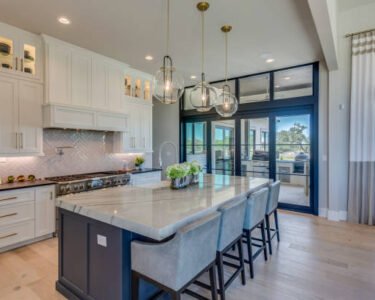
These options are what make the epoxy kitchen flooring fit perfectly into modern, minimalist, or even rustic style kitchen designs. In addition, the glossy finish reflects light, which can make the room feel brighter and bigger.
Considerations Before Installing Epoxy Floors
While epoxy flooring has multiple advantages, you need to make sure that the surface is properly prepared and installed; otherwise, you may not get the desired results.
Surface Preparation Matters
Epoxy needs to adhere directly to a clean and well-prepared concrete substrate. If the base floor has any moisture issues, cracks, or contaminants, then the coating may not bond properly. Cleaning, grinding, and surface repair before the epoxy layer is applied form part of professional preparation. This process helps keep the floor strong and resilient over time.
Professional Installation Improves Results
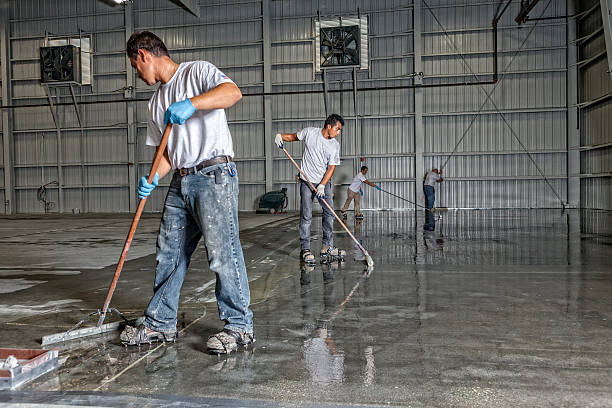
DIY kits can be purchased, but due to the nature of kitchen flooring, the application must be executed evenly and smoothly. Air bubbles, uneven layers, or poor curing can impact both aesthetics and function.
Homeowners looking to grasp the installation process along with potential design options frequently seek out resources like this guide to epoxy kitchen flooring to study how systems of professionals are used.
Why It Is Increasing in Popularity in New Jersey Homes
Epoxy kitchen flooring NJ trends vary based on your area, and given that homeowners continue to search for durable materials for busy lifestyles, they are quickly rising in recognition.
Adaptable for Different Home Styles
Properties in New Jersey include historic homes and modern renovations. Epoxy flooring can be used in either environment. Decorative flake or neutral tones add a decorative touch to traditional kitchens, and metallic finishes complement modern designs.
Performance in Changing Conditions
Temperature and humidity changes throughout the season have an impact on some types of flooring materials. Epoxy’s strong adhesion to concrete helps it remain stable in changing conditions, making this type of floor particularly helpful in areas where homes see different weather months apart from each other.
Long-Term Value
When it comes to choosing flooring, longevity is one of the first parameters homeowners consider. Because epoxy is resistant to wear and stains, it can last looking great for years with very little maintenance required. Its durability is part of the reason it’s gaining a reputation as a practical investment for kitchen renovations.
Conclusion
Kitchen flooring has to balance durability, hygiene, and style. And apart from being seamless, durable, and hardwearing, epoxy kitchen flooring also ticks all three boxes when it comes to better quality finishes!!
When properly installed, epoxy produces a durable floor that can stand up to the rigors of everyday cooking and family life. Hence, its combination of functionality and contemporary glamour which is why more homeowners, especially those interested in epoxy kitchen flooring NJ, are considering this option for their own homes.
If you’re thinking of renovating your kitchen, knowing how epoxy works and what it can do will help you make a confident decision about the heart of the home.